What Size Dumpster Do You Need? The Complete Jacksonville Homeowner's Guide
Choosing the right dumpster size is crucial for any home project, whether you’re renovating, cleaning out, or landscaping. Understanding the various dumpster sizes available can help you avoid overpaying or underestimating your waste disposal needs. This guide will provide Jacksonville homeowners with essential insights into selecting the appropriate dumpster size for their specific projects. By the end of this article, you will know how to assess your waste volume, the dimensions of different dumpster sizes, and the rental process involved. We will also cover common residential projects and the dumpster sizes that best suit them, ensuring you make an informed decision.
Which Dumpster Rental Sizes Are Available in Jacksonville?
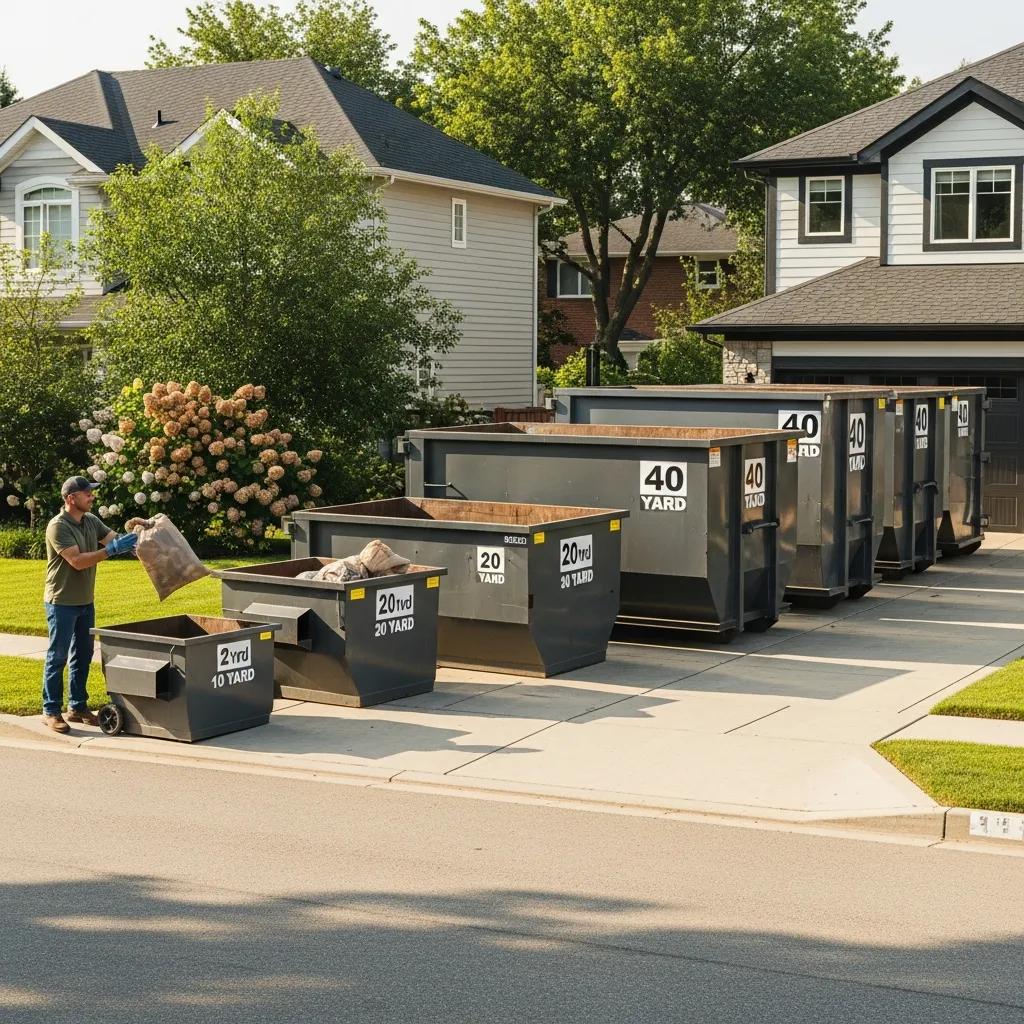
In Jacksonville, several dumpster sizes are available for rental, catering to a variety of project needs. Understanding these options can help you select the right size for your specific requirements. The most common dumpster sizes include:
- 10 Yard Dumpster: Ideal for small cleanouts or minor renovations.
- 15 Yard Dumpster: Suitable for medium-sized projects like garage cleanouts or small remodeling jobs.
- 20 Yard Dumpster: Perfect for larger renovations or significant cleanouts.
- 30 Yard Dumpster: Best for major construction projects or large-scale cleanouts.
These sizes are designed to accommodate different volumes of waste, ensuring that homeowners can find a suitable option for their needs.
What Are the Dimensions and Capacities of 10, 15, 20, and 30 Yard Dumpsters?
Understanding the dimensions and capacities of various dumpster sizes is essential for effective planning. Below is a comparison of the most common dumpster sizes available in Jacksonville:
| Dumpster Size | Dimensions (L x W x H) | Capacity (Cubic Yards) | Equivalent Pickup Truck Loads |
|---|---|---|---|
| 10 Yard | 12′ x 8′ x 3.5′ | 10 | 3 |
| 15 Yard | 14′ x 8′ x 4′ | 15 | 4.5 |
| 20 Yard | 22′ x 8′ x 4.5′ | 20 | 6 |
| 30 Yard | 22′ x 8′ x 6′ | 30 | 9 |
This table illustrates the dimensions and capacities of each dumpster size, helping you visualize how much waste each can hold.
How Do You Choose the Best Dumpster Size for Your Home Project?
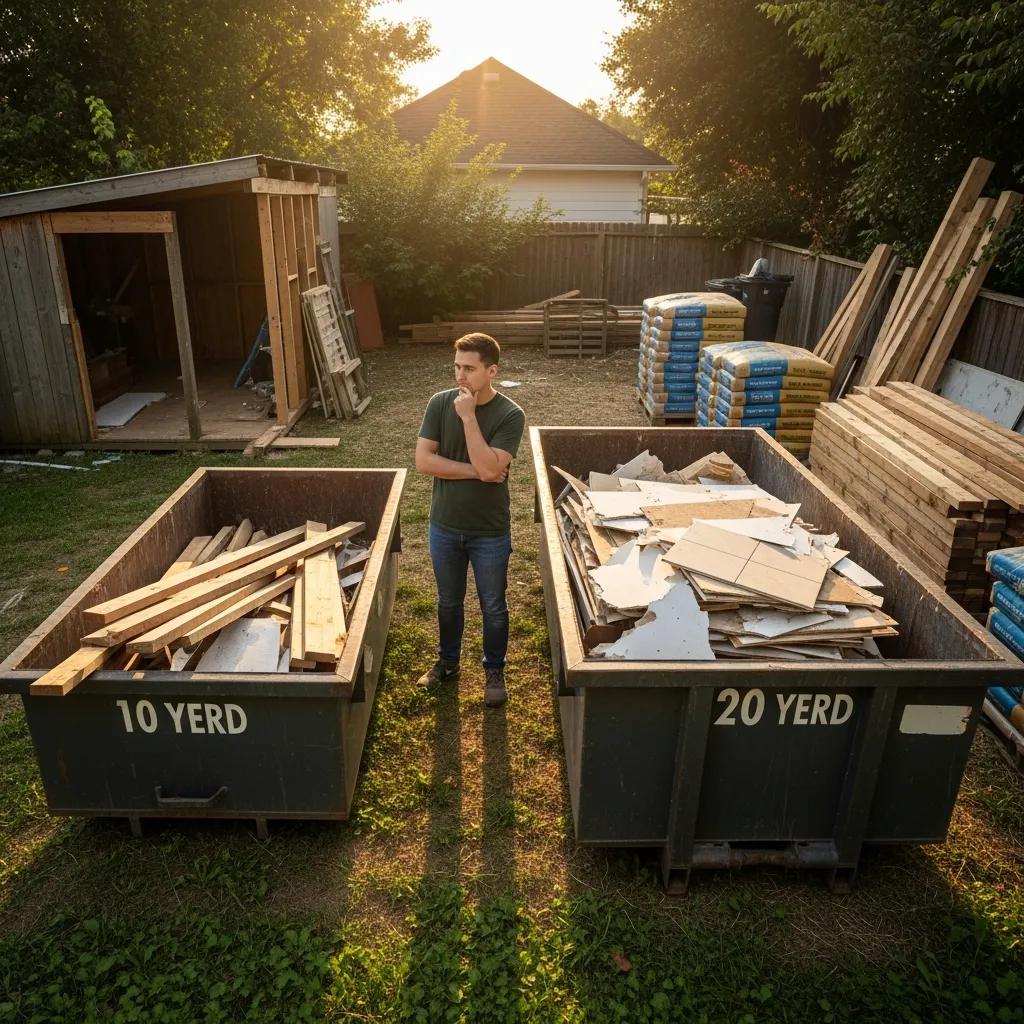
Selecting the best dumpster size for your home project involves considering several factors. First, assess the type and volume of waste you expect to generate. For instance, if you’re undertaking a small cleanout, a 10-yard dumpster may suffice. However, larger projects, such as full home renovations, may require a 20 or 30-yard dumpster.
Accurately estimating the volume of waste is a critical first step, as highlighted by research into construction waste quantification.
Quantifying Construction Waste Volume
The estimation methodology presented in this paper provides the first opportunity for estimates of construction waste to reflect actual construction activity.
A methodology for quantifying the volume of construction waste, JM Halstead, 1996
Additionally, consider the space available for the dumpster. Ensure that the chosen size can fit comfortably in your driveway or designated area without obstructing traffic or access. Consulting with a local “dumpster rental service” can also provide valuable insights into the best size for your specific project.
What Dumpster Sizes Suit Common Residential Projects Like Renovations and Cleanouts?
Different residential projects require different dumpster sizes. Here are some common projects and the recommended dumpster sizes:
- Small Cleanouts: A 10-yard dumpster is typically sufficient for small garage or attic cleanouts.
- Medium Renovations: For kitchen or bathroom remodels, a 15-yard dumpster is often ideal.
- Large Renovations: Major renovations or large cleanouts may necessitate a 20-yard dumpster.
- Construction Projects: For extensive construction or large-scale cleanouts, a 30-yard dumpster is recommended.
By matching the dumpster size to your project type, you can ensure efficient waste disposal without incurring unnecessary costs.
How Does Project Type Influence Dumpster Size Selection?
The type of project significantly influences the dumpster size you should select. Different projects generate varying amounts and types of waste, which can affect your choice. For example, a landscaping project may produce bulky yard waste, while a home renovation might generate a mix of construction debris and old fixtures.
When selecting a dumpster, consider the following:
- Weight Considerations: Heavier materials, such as concrete or bricks, may require a smaller dumpster to stay within weight limits.
- Placement Space: Ensure there is adequate space for the dumpster, especially for larger sizes that may require more room for maneuvering.
Understanding these factors can help you choose the most appropriate dumpster size for your project.
What Is the Dumpster Rental Process in Jacksonville?
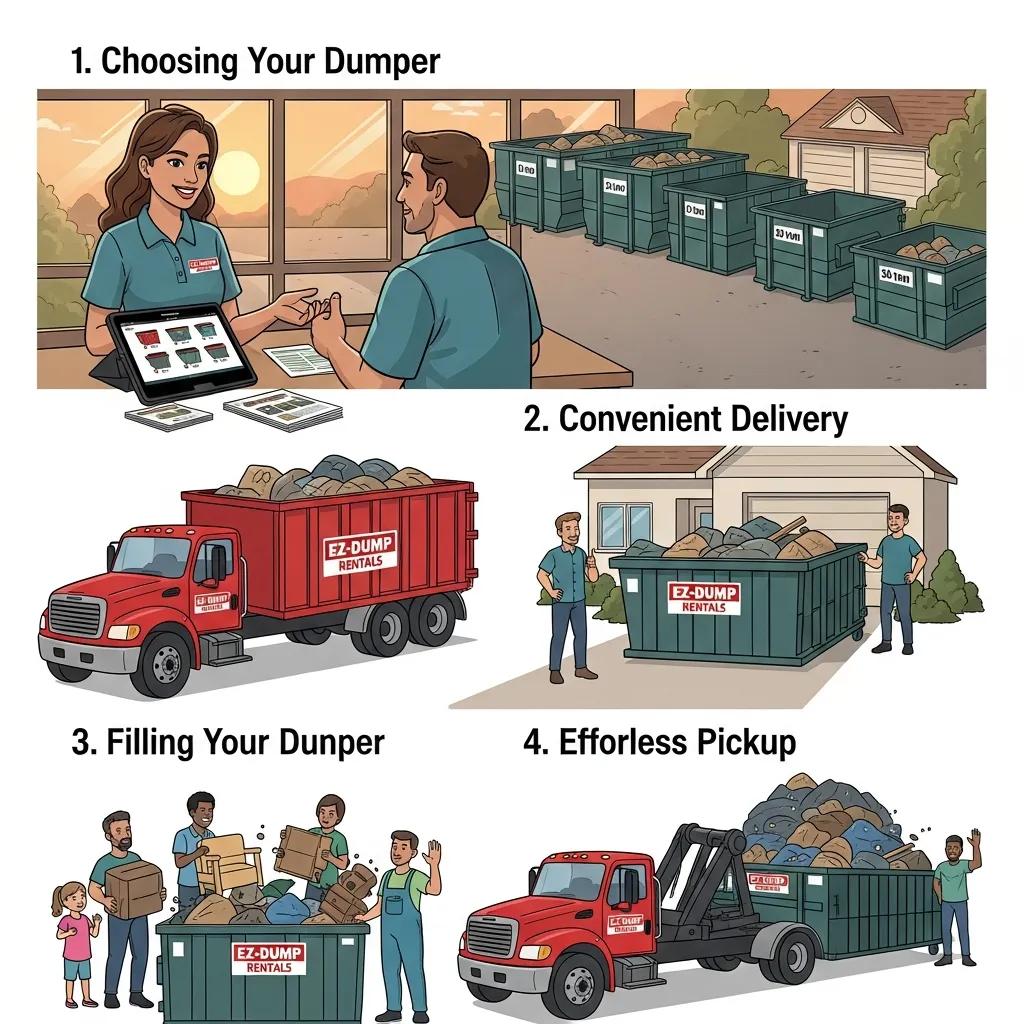
Renting a dumpster in Jacksonville involves a straightforward process. Here are the key steps:
- Contact the Rental Service: Reach out to a local dumpster rental provider, such as Easy Dumpster Rental Jacksonville, to discuss your needs.
- Select the Size: Based on your project requirements, choose the appropriate dumpster size.
- Schedule Delivery: Arrange for the dumpster to be delivered to your location at a convenient time.
- Fill the Dumpster: Once delivered, fill the dumpster with your waste materials.
- Schedule Pickup: After you’ve completed your project, contact the rental service to schedule a pickup.
For assistance, you can call “Easy Dumpster Rental Jacksonville” at (904) 474-3968.
How Long Can You Rent a Dumpster and What Are the Weight Limits?
The rental duration for dumpsters can vary based on the provider and your specific needs. Typically, dumpsters can be rented for a period ranging from a few days to several weeks. It’s essential to discuss your timeline with the rental service to ensure you have the dumpster for the required duration.
Weight limits also vary by dumpster size. For example, a 10-yard dumpster may have a weight limit of around 2 tons, while a 30-yard dumpster can accommodate up to 4 tons. Exceeding these limits may result in additional fees, so it’s crucial to estimate your waste accurately.
What Steps Are Involved in Renting a Roll Off Dumpster Locally?
Renting a roll-off dumpster locally involves several steps to ensure a smooth process:
- Determine Your Needs: Assess the type and volume of waste you need to dispose of.
- Choose a Size: Select the appropriate dumpster size based on your project.
- Contact the Rental Service: Reach out to a local provider to discuss your requirements and get a quote.
- Schedule Delivery: Arrange for the dumpster to be delivered to your location.
- Fill the Dumpster: Dispose of your waste materials in the dumpster.
- Schedule Pickup: Once your project is complete, contact the rental service to arrange for pickup.
Following these steps will help you navigate the rental process efficiently.
How Much Does Dumpster Rental Cost in Jacksonville?
The cost of dumpster rental in Jacksonville can vary based on several factors, including the size of the dumpster, rental duration, and type of waste. On average, homeowners can expect to pay between $300 and $600 for a standard rental. However, prices may fluctuate based on demand and specific service providers.
To get an accurate quote, it’s advisable to contact local rental services and inquire about their pricing structures.
What Factors Affect Pricing for Different Dumpster Sizes?
Several factors can influence the pricing of dumpster rentals, including:
- Size of the Dumpster: Larger dumpsters typically cost more due to their increased capacity.
- Rental Duration: Longer rental periods may incur additional fees.
- Type of Waste: Certain types of waste, such as hazardous materials, may require special handling and incur higher costs.
- Location: Delivery fees may vary based on your location within Jacksonville.
Understanding these factors can help you budget effectively for your dumpster rental.
Are There Additional Fees for Weight Overages or Extended Rental?
Yes, there are often additional fees associated with weight overages or extended rental periods. If you exceed the weight limit of your rented dumpster, you may incur extra charges based on the amount of excess weight. Similarly, if you need to keep the dumpster longer than the agreed rental period, additional daily fees may apply.
To avoid unexpected costs, it’s essential to clarify the terms of your rental agreement with the provider.
What Local Regulations and Permits Affect Dumpster Rentals in Jacksonville?
Local regulations and permits can impact dumpster rentals in Jacksonville. Depending on your location and the size of the dumpster, you may need to obtain a permit for placement on public property or streets. It’s crucial to check with local authorities to ensure compliance with any regulations that may apply to your project.
How Do Local Waste Disposal Regulations Impact Dumpster Use?
Local waste disposal regulations can significantly affect how you use your dumpster. For instance, certain materials may be prohibited from disposal in standard dumpsters, such as hazardous waste or electronics. Understanding these regulations is essential to avoid fines and ensure proper waste management.
What Are the Frequently Asked Questions About Dumpster Sizes and Rentals?
Here are some common questions regarding dumpster sizes and rentals:
- What size dumpster do I need for a home renovation? A 20-yard dumpster is typically recommended for most home renovations.
- How long can I keep the dumpster? Rental periods usually range from a few days to several weeks, depending on your needs.
- Are there weight limits? Yes, each dumpster size has specific weight limits that must be adhered to.
These FAQs can help clarify common concerns for homeowners considering a dumpster rental.
How Much Waste Can a 20 Yard Dumpster Hold?
A 20-yard dumpster can hold approximately 20 cubic yards of waste, which is equivalent to about six pickup truck loads. This size is ideal for larger projects, such as home renovations or significant cleanouts, where substantial waste is generated. Understanding the capacity of a 20-yard dumpster can help you plan your project effectively.
What Is the Difference Between 10 and 20 Yard Dumpsters?
The primary difference between 10 and 20-yard dumpsters lies in their capacity and intended use. A 10-yard dumpster is suitable for small cleanouts and minor renovations, while a 20-yard dumpster is designed for larger projects, such as full home renovations or significant cleanouts. Additionally, the dimensions of the dumpsters differ, with the 20-yard option being larger and able to accommodate more waste.
By understanding these differences, homeowners can make informed decisions about which dumpster size best suits their project needs.
For more information on “dumpster sizes”, Easy Dumpster Rental Jacksonville provides a comprehensive guide.
If you’re looking for “roll off dumpster” options, consider contacting Easy Dumpster Rental Jacksonville.
For those with residential projects, “residential dumpster rental” services are available in Jacksonville.